The Future is Coated: Innovations, Applications, and Trends in Modern Fabric Technology
In an era where material science meets fashion and functionality, coated fabrics have emerged as a revolutionary solution across industries ranging from outdoor apparel to medical textiles. These advanced materials are redefining performance standards by offering enhanced durability, water resistance, breathability, and even antimicrobial properties.
With innovations such as nanotechnology coatings and biodegradable treatments gaining traction, the world of coated fabrics continues to evolve at a rapid pace. This exploration delves deep into their composition, applications, benefits, challenges, sustainability efforts, future trends, and how they’re shaping our everyday lives.
Understanding the Science Behind Coated Fabrics
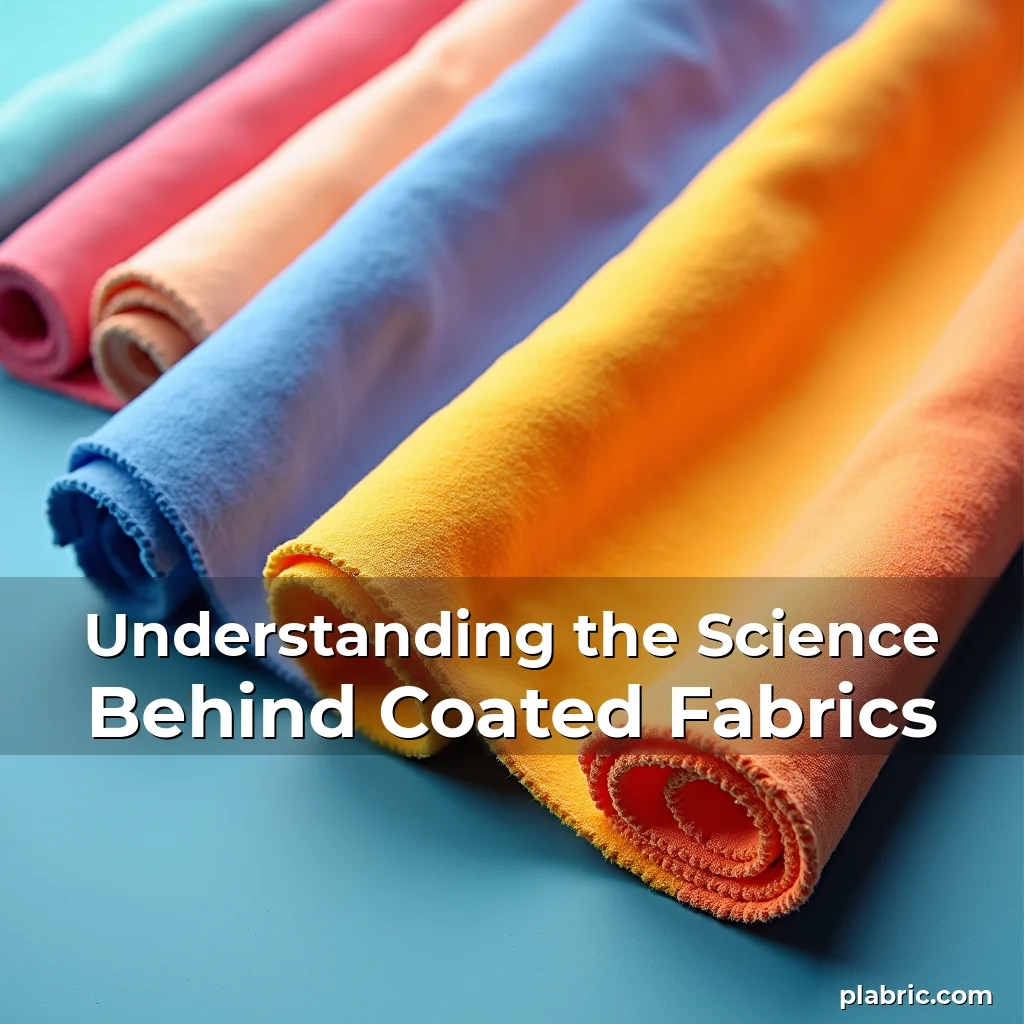
Coated fabrics refer to textile substrates that have been treated with specialized chemical compounds to enhance their inherent characteristics. The process involves applying a thin layer of polymer-based solutions onto woven or knitted fibers using methods like dip coating, spray application, or calendaring techniques.
This transformation enables base materials—commonly cotton, polyester blends, or natural fibers—to acquire new functionalities without compromising comfort or flexibility. For instance, waterproofing agents can turn breathable fabric into a barrier against rain while maintaining airflow through micro-perforations in the coating film.
Modern advancements allow for precise control over thickness uniformity during application processes. Manufacturers now utilize computer-controlled systems to ensure consistent coverage levels across entire fabric widths, reducing waste and improving product quality consistency.
One crucial factor influencing effectiveness is surface tension management between the coating agent and substrate fiber type. Proper pretreatment steps often include plasma treatment or corona discharge procedures which modify fiber surfaces for better adhesion capabilities before final coating application occurs.
- Chemical compatibility: Ensuring selected polymers react appropriately with chosen fabric types prevents degradation issues during long-term usage scenarios.
- Environmental conditions: Temperature fluctuations affect curing times; optimal ranges vary depending upon whether heat-setting ovens or UV light sources are used post-application stages.
Types of Coatings Used in Textile Industry
Fabric manufacturers employ various coating technologies tailored towards specific end-use requirements. Polyurethane (PU) coatings remain popular due to their elasticity and abrasion resistance qualities suitable for sportswear and protective gear applications.
Polyvinyl chloride (PVC) films offer excellent rigidity making them ideal choices for inflatable structures or industrial tarpaulins requiring high tensile strength under extreme weather conditions. However, concerns regarding PVC’s environmental impact have prompted research into alternative eco-friendly options.
Silicone-based coatings provide superior thermal insulation properties beneficial for garments designed for cold climates. Their hydrophobic nature also contributes significantly toward moisture-wicking abilities essential in athletic wear segments.
Nanocoating technologies represent cutting-edge developments enabling microscopic layers of functional additives like silver ions or titanium dioxide particles embedded within polymer matrices. These smart coatings deliver antibacterial effects alongside self-cleaning capabilities useful in healthcare environments.
Main Applications Across Industries
Outdoor enthusiasts benefit immensely from coated fabrics’ weather protection features found in tents, backpacks, and jackets engineered specifically for harsh climatic conditions. Waterproof-breathable membranes prevent internal condensation buildup while allowing sweat evaporation through controlled permeation rates.
Medical professionals rely heavily on coated textiles for surgical gowns ensuring sterility maintenance during operations. Antimicrobial finishes inhibit bacterial growth reducing infection risks associated with prolonged patient contact scenarios involving these critical garments.
Agricultural sectors utilize durable coated nets for crop protection purposes against pests and adverse weather elements. UV-stabilized polyethylene sheets extend lifespan dramatically compared to traditional non-treated counterparts exposed continuously outdoors.
Automotive interiors increasingly incorporate flame-retardant coated upholstery materials meeting stringent safety regulations imposed globally. These specially formulated treatments delay ignition onset providing occupants additional precious seconds during emergencies.
Advantages Over Traditional Uncoated Materials
Enhanced longevity represents one primary advantage conferred by properly applied coatings. By forming protective barriers against abrasive forces encountered daily, coated fabrics exhibit increased resistance leading to reduced replacement frequency over time periods.
Economic benefits arise from lower maintenance costs attributed to improved dirt repellency characteristics observed in many modern treatments. Self-cleaning properties minimize need for frequent washing cycles thereby conserving both energy resources and water consumption volumes considerably.
Functional versatility allows single-piece items to serve dual purposes effectively. A typical example includes emergency blankets incorporating reflective aluminum-coated surfaces doubling as thermal insulators when deployed under survival situations.
Healthcare facilities particularly appreciate antimicrobial finishes integrated seamlessly within standard hospital attire designs. Such modifications help mitigate cross-contamination hazards present within clinical settings demanding strict hygiene protocols adherence constantly.
Challenges Faced During Production Processes
Consistency remains a significant challenge encountered throughout production lines aiming for uniform coating distribution across varying fabric textures and weave densities. Minor inconsistencies may lead to localized weaknesses potentially jeopardizing overall structural integrity expected from finished products.
Cost considerations play pivotal roles determining widespread adoption rates among smaller-scale producers unable afford expensive machinery required for precision application techniques currently dominating mass manufacturing landscapes today.
Toxicological assessments become mandatory prerequisites whenever introducing novel chemical formulations into existing supply chains. Regulatory bodies enforce rigorous testing phases ensuring compliance with health & safety guidelines protecting workers involved hands-on during fabrication stages.
Waste generation poses another pressing concern related primarily to solvent-based coating methodologies still prevalent despite growing awareness surrounding sustainable alternatives available nowadays capable minimizing ecological footprints substantially.
Sustainability Efforts Within Coated Fabric Sector
Industry leaders recognize increasing consumer demand shifting preferences toward environmentally conscious purchasing decisions. As result numerous initiatives target reduction strategies aimed decreasing carbon emissions linked closely with conventional coating practices employed traditionally.
Bio-based resins derived from renewable agricultural sources replace petroleum-derived equivalents wherever feasible promoting circular economy principles aligning well with global climate action goals pursued diligently worldwide recently.
Waterless dyeing technologies paired strategically with low VOC (volatile organic compound) emitting coatings contribute positively toward achieving zero liquid discharge objectives set forth explicitly by progressive forward-thinking organizations operating transparently within ethical business frameworks established deliberately.
Recycling programs focused solely on reclaiming spent coating chemicals enable recovery efficiencies reaching impressive figures exceeding seventy percent capacity according to latest industry benchmark reports published periodically detailing ongoing progress metrics tracked consistently over extended durations.
Future Trends Shaping Development Trajectories
Smart textiles integrating electronic components within flexible coated substrates mark emerging frontier poised revolutionize wearable technology landscape comprehensively. Conductive yarns combined cleverly with responsive thermochromic pigments open doors limitless possibilities concerning interactive garment interfaces.
Self-healing materials containing microcapsules filled with repair agents promise remarkable breakthroughs addressing common failure points experienced frequently amongst coated surfaces subjected continuous mechanical stress exposure regularly occurring naturally everywhere we go daily.
Personalization trends drive innovation directions emphasizing customizable color schemes along with pattern selections made possible via digital printing techniques merged harmoniously together creating bespoke experiences tailored precisely individual tastes desires expectations perfectly aligned accurately every time.
Biodegradability improvements spearhead current R&D activities targeting complete decomposition timelines shortened drastically through enzymatic breakdown mechanisms activated selectively upon designated disposal events scheduled intentionally prearranged beforehand conveniently planned ahead meticulously.
Conclusion
From enhancing everyday clothing items to transforming specialized equipment needs, coated fabrics continue pushing boundaries unimaginably far beyond initial limitations once thought insurmountable back decades ago.
As technological advances accelerate rapidly forward coupled tightly intertwined relationship developing simultaneously evolving environmental consciousness collectively propelling sector toward exciting uncharted territories promising exceptional opportunities awaiting eagerly anticipation upcoming years ahead.