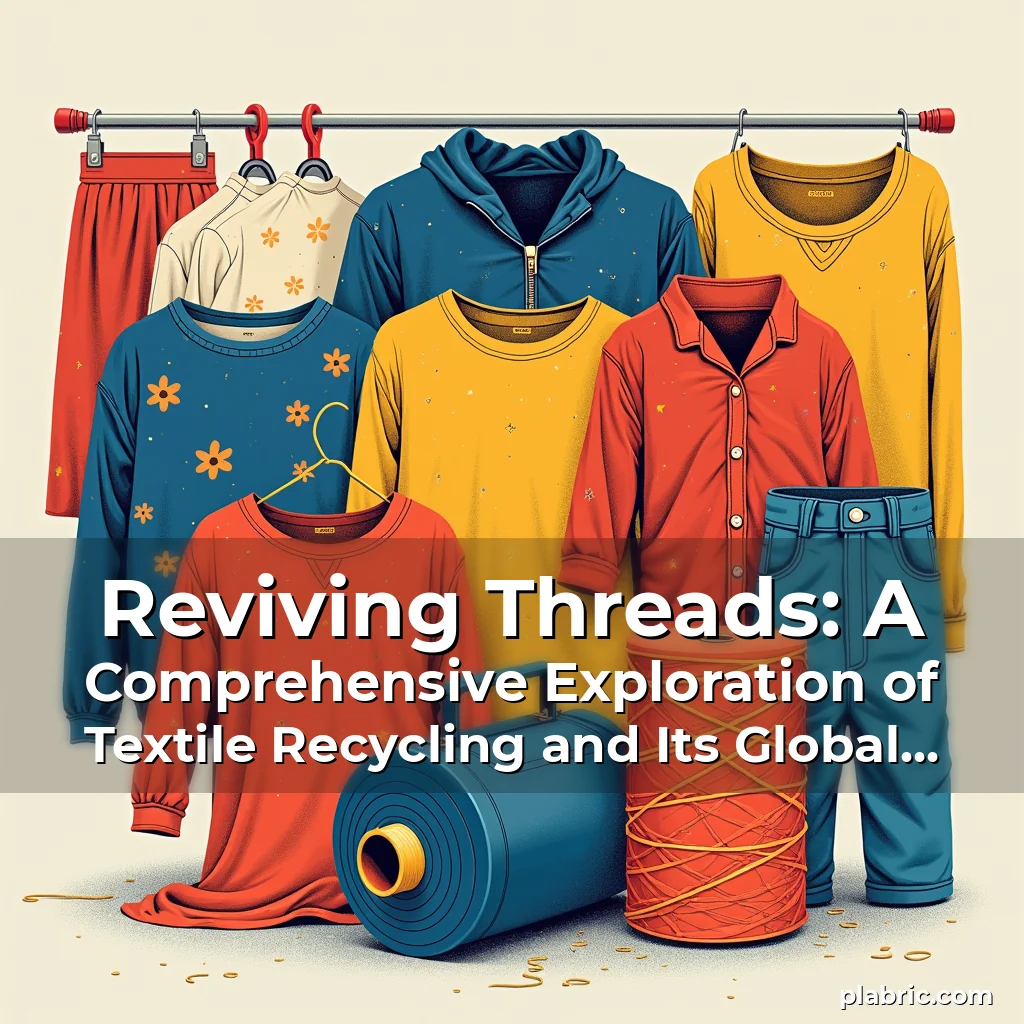
Reviving Threads: A Comprehensive Exploration of Textile Recycling and Its Global Impact
The fashion industry generates over 92 million tons of textiles annually, yet less than 1% is recycled globally. This staggering statistic highlights both the scale of the problem and the urgent need for innovative solutions.
Textile recycling has evolved from a niche practice to a cornerstone of sustainable living. By transforming discarded fabrics into new materials, we reduce landfill waste, conserve resources, and combat climate change—all while fostering circular economies.
The Hidden Crisis Beneath Every Garment
Every year, consumers discard approximately 85% of clothing items still in wearable condition. These abandoned garments contribute to massive landfills where synthetic fibers can take centuries to decompose.
The environmental cost extends far beyond waste management. Cotton production alone consumes 2,700 liters of water to produce a single t-shirt—a resource-intensive process that becomes even more unsustainable when garments are prematurely discarded.
Synthetic fibers like polyester pose another threat. When incinerated, they release toxic chemicals into the atmosphere. Even when buried in landfills, microplastics from these materials leach into soil and water systems.
- Polyester pollution: Microplastics from synthetic fabrics contaminate oceans at alarming rates, harming marine life and entering human food chains.
- Cotton’s water footprint: Producing organic cotton requires significantly less water than conventional cotton, but recycling reduces demand for virgin fiber production altogether.
The fashion industry accounts for 10% of global carbon emissions, surpassing the combined emissions of international flights and maritime shipping. Addressing textile waste is thus central to broader climate action strategies.
Awareness campaigns reveal growing public concern: 67% of millennials consider sustainability when purchasing clothing. Yet barriers remain between awareness and action in textile recycling practices.
Decoding the Lifecycle of Recycled Textiles
Fiber recovery begins with sorting processes that separate natural fibers (cotton, wool) from synthetics (polyester, nylon). Mechanical recycling shreds fabric into raw material, while chemical recycling breaks polymers into monomers for reuse.
Advanced technologies now enable closed-loop systems where post-consumer garments become identical original materials. Patagonia’s Worn Wear program exemplifies this approach, extending product lifespans through repair, resale, and repurposing.
The Science Behind Fiber Reclamation
Laser technology can precisely remove logos and stains from garments, increasing recyclability by up to 40%. In Germany, automated textile sorting facilities achieve 98% accuracy using near-infrared spectroscopy to identify fabric types.
Chemical recycling processes like depolymerization break down polyester into ethylene glycol and terephthalic acid—the building blocks of new polymer chains. This method recovers 100% of the original material compared to mechanical recycling’s typical 30-60% yield.
Economic Implications of Textile Recycling
The global textile recycling market is projected to reach $22 billion by 2028, driven by regulatory mandates and corporate sustainability goals. Countries like Japan have pioneered collection systems with mandatory recycling fees on apparel purchases.
In developing nations, informal recycling networks employ millions. India’s ragpickers recover 20% of urban textile waste, though lack of infrastructure often limits further processing opportunities.
Governments worldwide are implementing extended producer responsibility (EPR) policies. France requires brands to collect 50% of sold garments for recycling by 2023, creating financial incentives for sustainable design.
- Job creation: Textile recycling supports 1.3 million jobs globally, particularly in emerging markets with robust manual sorting capabilities.
- Cost savings: Brands adopting closed-loop systems report up to 30% reduction in raw material costs while improving brand equity among eco-conscious consumers.
Investor interest is shifting toward ESG metrics, pressuring corporations to disclose textile waste management strategies. Fashion retailers with strong recycling programs see 15% higher customer retention rates.
Consumer Participation: Beyond Donating Clothes
While donating unwanted garments seems virtuous, it often leads to clothes being resold internationally rather than truly recycled. Only 10% of donated textiles end up in formal recycling streams.
Smartphone apps like ThredUp and H&M’s garment collecting service connect users to local recycling centers. However, 72% of consumers abandon recycling due to unclear instructions or inconvenient drop-off locations.
Mending clothing extends lifecycle by an average of 3 years. Learning basic sewing skills could prevent 40% of annual textile waste generated by minor damages.
- Renting vs buying: Clothing rental services like Rent the Runway save 3.8 kg of CO₂ per item compared to traditional ownership models.
- Dye removal techniques: Using vinegar or commercial dye removers allows reusing garments dyed in incompatible colors, preventing premature disposal.
Fast fashion brands increasingly offer recycling incentives. Adidas’ Parley for the Oceans initiative turns ocean plastic into sneakers, selling over 11 million units since 2015.
Innovations Reshaping Textile Recycling
Biomimetic technologies mimic nature’s decomposition processes. Researchers in Finland developed enzymes capable of breaking down PET plastics 10 times faster than existing methods.
Nano-filtration membranes now purify textile dyes at 99% efficiency, enabling color recovery from wastewater. This innovation could revolutionize industrial laundry operations worldwide.
Blockchain traceability systems allow tracking individual garments through their lifecycle. Stella McCartney employs this tech to verify that 80% of her spring/summer 2024 collections contain recycled materials.
- AI-powered sorting: Computer vision systems sort mixed-textile loads with 95% accuracy, dramatically reducing labor costs in recycling facilities.
- Mycelium bioplastics: Fungal-based materials replace petroleum-derived alternatives, offering compostable options for fast-fashion accessories.
3D knitting machines create zero-waste patterns by producing garments only once, eliminating excess fabric trimmings common in traditional manufacturing.
Policy Landscapes Shaping the Industry
The European Union’s Circular Economy Action Plan mandates member states to achieve 55% textile recycling rates by 2030. Norway already meets 68% via strict regulations requiring all clothing stores to have recycling bins.
In the U.S., California passed AB 2144 in 2022, establishing the nation’s first statewide textile recycling law. It requires manufacturers to fund collection infrastructure and promote reuse initiatives.
China implemented a 2020 policy mandating textile recyclers obtain government permits, leading to a 40% increase in certified recycling facilities nationwide.
- Carbon pricing: Carbon taxes on non-recyclable textiles may soon be adopted by G20 countries, making sustainable practices economically advantageous.
- Tax incentives: Businesses investing in recycling technology receive tax credits averaging 25% of capital expenditures in EU member states.
International agreements like the UN Fashion Charter aim to eliminate waste entirely by 2030 through collective commitments from brands, governments, and NGOs working collaboratively.
The Social Dimension of Textile Waste
Landfill sites often become dumping grounds for secondhand clothing, displacing indigenous communities who traditionally relied on recycling for livelihoods. In Kenya, urban slums face health risks from unsorted textile waste accumulating alongside hazardous waste.
Refurbishment hubs empower marginalized groups by providing vocational training in garment alteration and mending. Brazil’s Instituto SESC da Cidade trains over 1,200 low-income individuals annually in textile arts.
Community-led initiatives like Thailand’s Fabrica Project transform discarded clothes into educational tools, teaching children about sustainability through creative upcycling workshops.
- Intergenerational knowledge transfer: Traditional tailoring skills preserved through recycling programs strengthen cultural heritage while addressing modern waste issues.
- Educational impact: Schools integrating textile recycling curricula report 35% higher student engagement in environmental stewardship activities.
Collaborative projects between fashion houses and grassroots organizations demonstrate how profit-driven industries can align with social good, creating inclusive employment opportunities along the recycling supply chain.
Challenges Hindering Progress
Despite advancements, 60% of global textile waste remains unrecycled due to technical limitations. Mixed-material garments containing both natural and synthetic fibers present particular difficulties in separation processes.
Economic disincentives persist: virgin fiber production costs are currently lower than recycled alternatives, discouraging widespread adoption. Polyester prices hover around $1,500 per ton versus $2,300 for recycled variants.
Logistical hurdles complicate collection networks. Rural areas often lack access to textile recycling facilities, resulting in 30% higher waste generation rates compared to urban centers.
- Contamination risks: Food-stained or heavily soiled garments require specialized cleaning before recycling, adding significant operational costs.
- Market saturation: Overproduction of recycled textiles creates competition with virgin fibers, sometimes driving down prices below production thresholds.
Greenwashing concerns undermine progress, with 40% of self-proclaimed “eco-friendly” products failing third-party audits for actual sustainability claims. Transparent certification standards are urgently needed.
Looking Ahead: The Future of Textile Recycling
By 2030, breakthroughs in enzymatic degradation could enable full decomposition of all textile types, including treated fabrics and blends previously deemed irrecoverable. Pilot plants in Canada show promising results using engineered microbes to break down denim finishes.
Urban mining approaches target microfibers released during washing cycles. New filtration systems installed in laundromats capture 90% of shed fibers, converting them into raw material for construction composites.
Advances in molecular engineering promise self-repairing fabrics that extend garment lifecycles naturally. Researchers at MIT have developed smart textiles that regenerate damaged fibers using embedded nanotechnology.
- Space applications: NASA experiments with moon dust-based textiles for space missions, potentially opening new frontiers in material science.
- Biodegradable coatings: Innovations in plant-based finish treatments allow garments to disintegrate harmlessly after useful lifetimes, closing the recycling loop completely.
As AI optimizes sorting algorithms and blockchain ensures transparency, the next decade promises transformative changes in how humanity interacts with textile consumption and disposal practices.
Conclusion
From ancient civilizations to modern metropolises, textile recycling reflects humanity’s relationship with material culture. Today, this practice stands at the intersection of environmental necessity, technological possibility, and societal transformation.
Individual actions—from mending clothes to supporting ethical brands—collectively shape the future of our planet. As you read this, remember: every garment carries the potential for rebirth through responsible recycling choices.